 4:03
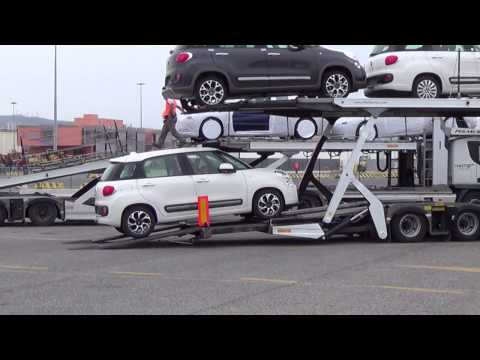
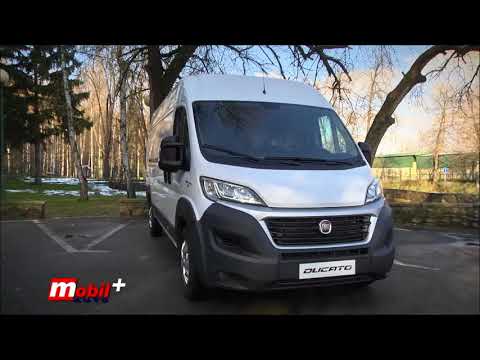
4:03MOBIL AUTO TV - FCA Srbija predstavila modele Fiat Professional
FCA Srbija
Kragujevac is the fourth largest city in Serbia and the administrative centre of the Šumadija District. It is the historical centre of the geographical region of Šumadija in central Serbia, and is situated on the banks of the Lepenica River. According to the 2022 census, the city itself has a population of 146,318 while the city administrative area has 171,186 inhabitants.
Read more on Wikipedia →Kragujevac (Serbian Cyrillic: Крагујевац, pronounced [krǎɡujeʋats] ) is the fourth largest city in Serbia and the administrative centre of the Šumadija District. It is the historical centre of the geographical region of Šumadija in central Serbia, and is situated on the banks of the Lepenica River. According to the 2022 census, the city itself has a population of 146,318 while the city administrative area has 171,186 inhabitants. Kragujevac was the first capital of modern Serbia and the first constitution in the Balkans, the Sretenje Constitution, was proclaimed in the city in 1835. A unit of the Scottish Women's Hospitals for Foreign Service was located there in World War I. During the Second World War, Kragujevac was the site of a massacre by the Nazis in which 2,778 Serb men and boys were killed. Modern Kragujevac is known for its large munitions (Zastava Arms) and automobile (Fiat Serbia) industries, as well as its status as an education centre housing the University of Kragujevac, one of the region's largest higher education institutions.